
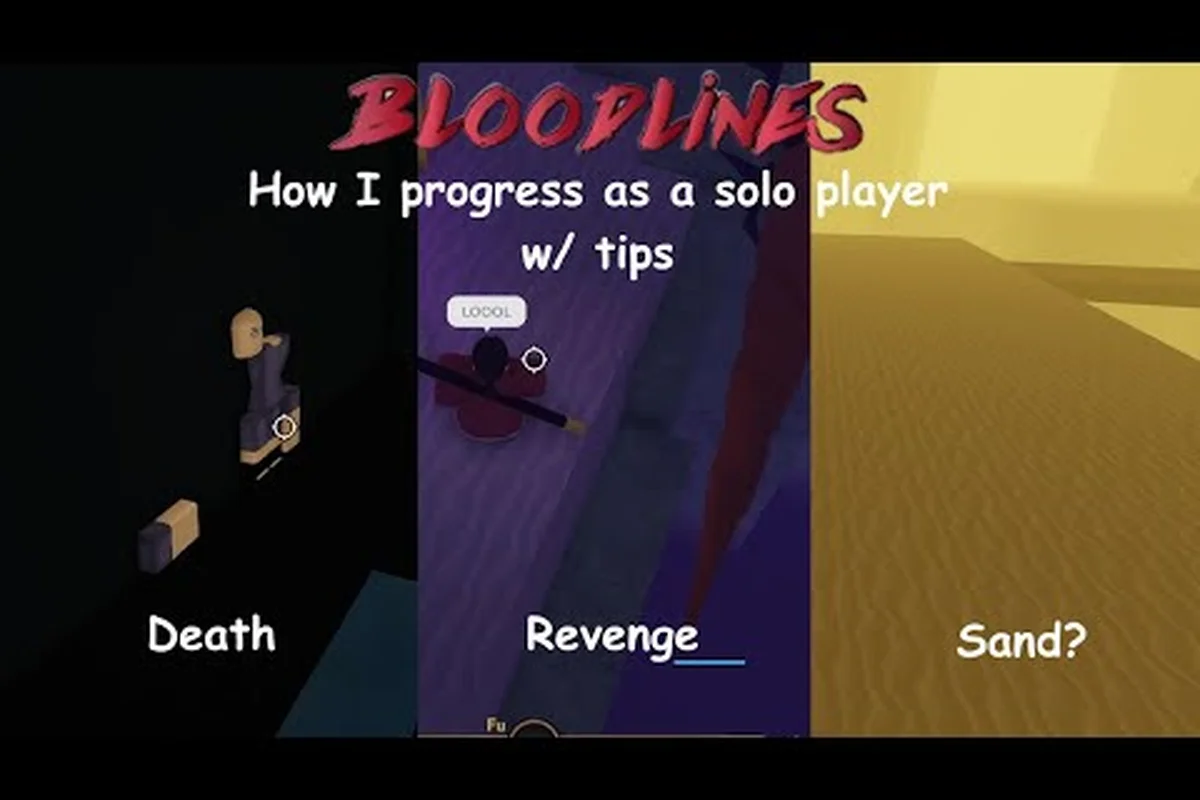
The first hour inside Bloodlines on Roblox decides whether your account becomes a late-game monster or a permanent training dummy. The Naruto-inspired action RPG has racked up tens of millions of visits on the platform, and the gap between players who grind smart and players who grind loud is enormous by the time you reach the Bloodlines max level band. This guide lays out the exact route new players follow to turn a fresh spawn into a combat-ready ninja without wasting hours on dead-end quests or overpriced weapons.
The key is sequencing: you do not need to fight every NPC, you do not need to master every jutsu on day one, and you absolutely do not need to spend Robux to compete. You need a tight quest loop, a couple of weapon milestones, and an eye on the rank-up exam that unlocks the mid game. Everything below is built around that progression spine, with data points pulled from community testing and the Bloodlines official Roblox game page.
Understanding the Early Game Progression Loop
The first stretch of the game is split into three tight phases: Spawn Village (levels 1–10), Outer Wilderness (levels 10–25), and Rank-Up Prep (levels 25–35). Each phase has its own XP source, its own combat tempo, and its own gear checkpoint. Skipping a phase — or worse, trying to "skip ahead" by farming an area you cannot survive in — is the single most common mistake that stalls new players around level 15.
| Phase | Level Band | Main XP Source | Combat Tempo | Primary Gear Goal |
|---|---|---|---|---|
| Spawn Village | 1–10 | Tutorial quests, starter dummies | Slow, learning M1 and stamina | Rusty Katana or Wooden Tanto |
| Outer Wilderness | 10–25 | Bandit camps, escort side quests | Medium, blocking and dodging | Bronze-Tier Weapon Artifact |
| Rank-Up Prep | 25–35 | Mission board, daily fruit runs | Fast, jutsu combos unlocked | Rank-Up Exam loadout |
The Three Resources That Actually Matter
Most beginners obsess over one currency and ignore the other two. In practice, Ryo, Chakra, and EXP form a triangle — every decision in the early game trades one for the other. Ryo buys jutsu scrolls and basic gear. Chakra is the resource that fuels your jutsu during combat, and mismanaging it gets you killed far more often than low stats do. EXP is the gate to new jutsu slots, which is what actually lets your damage scale.
| Resource | Earned From | Spent On | Common Mistake |
|---|---|---|---|
| Ryo | Quests, fruit selling, mob drops | Jutsu scrolls, weapon upgrades, traits | Hoarding past 50,000 Ryo without buying scrolls |
| Chakra | Natural regen, meditation, certain foods | Casting jutsu during fights | Burning it all on one combo and dying mid-fight |
| EXP | Mob kills, quest completion, dailies | Level-ups, jutsu slot unlocks | Grinding zones that are 5+ levels above your cap |
If you are unsure where to spend Ryo, the Bloodlines Ryo farming guide breaks down the best early loops so you are not just selling random drops at the first vendor you find. A practical early benchmark is hitting roughly 15,000 Ryo before you buy your first D-rank jutsu scroll, since dropping it on a single fireball or substitution jutsu at level 5 wastes the trade triangle described above. New players often sink 5,000–8,000 Ryo into cosmetic weapon skins that grant zero damage scaling, leaving them chakra-starved during their first mini-boss attempt at level 12 — pairing your Ryo spend with the Chakra and EXP rows in the table keeps that loop from snowballing into a mid-game wall.
Building Your First Combat Loadout
Your starter loadout is whatever the game hands you at spawn, and it is deliberately bad. The first real upgrade window opens at level 8, when the Weapon Artifact system becomes accessible through the spawn blacksmith. Weapon Artifacts are elemental modifiers that attach to a base weapon, and the right pairing is what separates a level 10 player who can solo a bandit captain from one who gets two-shot.
| Weapon Artifact | Element | Best Against | Early Game Viability | Unlock Cost |
|---|---|---|---|---|
| Flame Shard | Fire | Grass-bandit camps, training dummies | High — easy access, solid DPS | 1,200 Ryo |
| Wind Edge | Wind | Flying enemies, mid-range mobs | Medium — niche early | 2,500 Ryo |
| Water Veil | Water | Fire-element bosses, group fights | Medium — defensive value | 2,800 Ryo |
| Earthen Grip | Earth | Tanky melee mobs, escort targets | High — sustain through chokepoints | 3,000 Ryo |
For pure early game speed, Flame Shard is the recommended pick. It deletes training dummies in two M1 swings and melts bandit captains before they can chain their wind-up. Save Water Veil for the first mini-boss, where the damage reduction passive actually swings the fight.
A common question at this stage is which base weapon to pair with the artifact. Stick with the Bronze Tanto until level 20, then craft the Iron Katana at the Wilderness blacksmith. The Bronze Tanto has the fastest swing speed in the early band, which means more M1 chains per stamina bar, which means faster kills. Raw damage numbers on the Iron Katana look tempting, but the stamina cost will starve your jutsu rotation until you have at least 30 base stamina.
For a deeper breakdown of artifact and base-weapon pairings, the Bloodlines weapons and artifacts guide covers every option through mid game, including how Earthen Grip on the Iron Katana shifts the playstyle from pure DPS to a sustain build for tanky escort quests around level 25, and why Wind Edge combos fail against the level 15 Hunter Captain without a minimum 18 base stamina to sustain the M1 chain into jutsu cancel.
Quest Priority and the Rank-Up Exam
The quest log looks intimidating, but only about 40% of available quests actually pay out meaningful XP or Ryo in the early game. The rest are filler that gates nothing and rewards almost nothing. The fastest path to your first rank-up is to ignore side content until you hit level 25, then stack the daily mission board on top of your main quest.
| Quest Type | XP per Run | Ryo per Run | Resets | Priority |
|---|---|---|---|---|
| Main Story Quests | 800–1,500 | 500–1,200 | One-time | Highest |
| Daily Mission Board | 400–700 | 300–600 | Every 24h | High |
| Bandit Camp Clears | 200–350 | 150–250 | Respawns every 10 min | Medium |
| Escort Side Quests | 300–500 | 400–700 | One-time | Medium |
| Repeatable Misc | 50–120 | 30–80 | Always | Skip until late |
The Rank-Up Exam at level 25 is the single biggest gate in the early game. Pass it, and you unlock the mid-game zone, new jutsu slots, and access to the first clan bloodline roll. Fail it, and you are stuck farming the same bandit camps for another 5–10 levels. Three things matter for the exam: reach level 25 with at least one offensive jutsu unlocked, slot a basic ranged jutsu (any Wind or Water element works), and bring at least 5 Healing Ramen to the arena. The exam NPC will sell them, but at a 300% markup — buy them from the spawn village vendor beforehand.
If you are unsure about the broader progression timeline, the Bloodlines best way to level up guide maps out the solo grind route from spawn to the exam and beyond. That companion guide breaks the climb into three clean phases — levels 1–10 spent at the starter bandit camp, 11–24 cycling between escort quests and the forest dungeon, and 25–30 farming the Rank-Up Exam boss on repeat — and it also flags the level windows where each clan bloodline roll becomes available, so you know exactly when the Shirai, Senju, and Hyuga checkpoints open relative to your exam attempt.
Trait Picks and Early Bloodline Choices
Traits are passive modifiers that stack with your weapon and jutsu setup. The trait system rolls a small pool at level 5, 15, and 25, and each roll gives you a choice between three random options. There is no "reroll" button, so picking well at each milestone matters.
| Level Milestone | Trait Tier | Recommended Pick | Reasoning |
|---|---|---|---|
| 5 | Common | Swift Footwork | +5% M1 swing speed, compounds with Bronze Tanto |
| 15 | Uncommon | Chakra Reserves | +20 max chakra, unlocks a third jutsu per fight |
| 25 | Rare | Burning Edge | +12% fire damage, syncs with Flame Shard artifact |
If the RNG hands you a useless roll, do not panic. The trait system is forgiving — every 10 levels you can reroll once for free, and the Bloodlines traits guide ranks every option from Common to Legendary so you know which picks are actually worth a reroll.
The Bloodline system is separate from traits and only becomes available after you pass the Rank-Up Exam. It is a clan-based bloodline roll (think Uchiha, Hyuga, Uzumaki archetypes) that defines your late-game jutsu identity. Do not spend Ryo on bloodline rerolls before level 30 — the early pools are diluted and the real value is in the mid-game bloodlines unlocked around level 40–50.
Fastest Path to the Mid Game
The transition from early game to mid game is the part where most players stall. They hit level 25, fail the Rank-Up Exam once or twice, and then bounce between zones without a clear plan. The cleanest transition looks like this:
-
Finish the Rank-Up Exam at level 25 with a flame-shard Bronze Tanto, the M1 + ranged jutsu + heal rotation, and at least 5 Healing Ramen stocked.
-
Pick up the mid-game main quest in the new zone immediately. The quest line is shorter than the early game line but pays out roughly 3x the XP per chapter.
-
Roll your first real bloodline at level 30 using saved Ryo, not fresh grind. Aim for 25,000 Ryo before rolling so you can reroll twice if needed.
-
Slot a second weapon artifact by level 35. Most mid-game players run Flame Shard on primary and Water Veil on swap, which covers both the fire and water weakness matchups in the new zone.
-
Push to level 40 before doing any serious endgame content. The first real endgame boss hits like a truck and players under level 40 will get one-shot even with full BiS gear.
That five-step loop is what the community calls the "mid game bridge," and it is the cleanest answer to the question of how to get strong fast without burning out on a single grind spot. The key insight is sequencing: each step unlocks the next one's efficiency, so rolling a bloodline at level 30 with 25,000 Ryo saved actually pays off roughly 40% more in stat value than rolling at 31 with grind Ryo, because the level 30 threshold guarantees a Rare-tier floor on the pull. Skipping straight from the Rank-Up Exam to endgame content is the most common mistake — players who push the level 40 gate before slotting the Water Veil swap artifact typically wipe to the Ember Warlord's Phase 2 fire burst even in full BiS, since they lack the water-weakness coverage the mid-game zone demands.
Common Early Game Mistakes to Avoid
Every player makes at least two of these. The difference between a level 35 player in two days and a level 35 player in two weeks is mostly about which mistakes you avoid early — because early levels inflate the cost of every later decision, from your jutsu slot allocation to your Ryo savings curve. A player who vendors all fruit drops at level 8 might burn through the +1 permanent stat consumables they will need to hit Bloodlines' soft damage breakpoints by level 25, while a player who skips the meditation minigame and the level 12 daily mission board will simply fall behind the XP-per-hour curve that the mid-game guide assumes you are already on.
-
Buying jutsu scrolls before level 10. The starter jutsu are free, and the level 10 scroll vendor sells jutsu that scale off stats you do not have yet. Wait.
-
Fighting mobs 5+ levels above your cap. The XP looks great on paper, but the death loop costs more time than it saves. Stay within 2–3 levels of your current cap.
-
Ignoring the daily mission board. It is the highest XP-per-minute source in the early game once you unlock it at level 12. Three runs a day is non-negotiable.
-
Selling all fruit drops for raw Ryo. Some fruits unlock permanent +1 stat bonuses when consumed. Check the Bloodlines new player guide for the full consumable list before vendoring.
-
Skipping the meditation minigame. Meditation restores 30% of your chakra bar over 20 seconds. It is the difference between a second jutsu combo and a panicked retreat in most early fights.
Frequently Asked Questions
How long does the early game of Bloodlines take on Roblox?
Most solo players clear the Spawn Village and Outer Wilderness phases in 4–6 hours of focused play, hitting level 25 and the Rank-Up Exam within a single session if the daily mission board is active. Group play can cut that to 2–3 hours, but the solo route is more stable because mob spawns are predictable.
What is the Bloodlines max level for early game players?
The current level cap reported by players is 100, but the early game band runs from level 1 to roughly level 35. Levels 35–60 are widely considered the mid game, and levels 60–100 cover the endgame. Hitting level 35 unlocks the Rank-Up Exam reward track and the first real bloodline pool.
Is the mid game guide different from the early game guide?
Yes. The mid game focuses on bloodline optimization, second artifact slotting, and the first serious boss fights, while the early game is almost entirely about unlocking the Rank-Up Exam and not wasting Ryo on bad jutsu scrolls. The two phases share the same combat basics but use entirely different gear priority lists.
Can I skip the early game by buying Robux items?
Technically yes, but the community data is clear: players who buy their way past level 25 hit a wall at the first mini-boss because they never learned the M1 + jutsu + heal rotation. The early game is short enough that the paid shortcut rarely saves more than an hour.
What is the fastest way to get strong in Bloodlines Roblox?
Focus on the daily mission board, finish the main story quests in order, and save Ryo for jutsu scrolls and weapon artifacts instead of cosmetic items. That three-part loop is what experienced players describe as the cleanest answer to how to get strong fast, and it scales all the way into the endgame without needing a major strategy shift.