A solid bloodlines roblox pve guide is the difference between wiping on the first boss and clearing every encounter the game throws at you. PvE in Bloodlines is layered: it demands a tuned weapon loadout, an understanding of which jutsu to slot, and a clear path through ascension that doesn't leave you under-leveled for the next zone. This guide lays out a practical blueprint for new and returning players who want to push through the PvE ladder without wasting hours on dead-end builds.
Bloodlines, the Naruto-inspired action RPG on Roblox, has 64.6M+ visits and an 81.9% positive rating according to the official Bloodlines page on Roblox. That player base has stress-tested every encounter, and the strategies below reflect the patterns that have held up across that community.
The Grind-Gear-Clear-Ascend Cycle
PvE in Bloodlines is structured around a repeating cycle: grind → gear up → clear content → ascend → repeat. The cycle is short early on and stretches as you climb, but every rung follows the same four phases. Skipping any phase, especially gearing, is the most common reason players stall before the first real wall.
In practice, those four phases — leveling, gear farming, boss attempts, and ascension — form a tight feedback loop where every successful run directly feeds the next: XP from quests unlocks higher stat breakpoints, weapon artifacts raise your damage ceiling enough to survive world boss enrage timers, boss clears drop the rank-up materials needed for ascension, and ascension gates the next zone's harder content. The time-per-phase numbers below assume solo play; co-op bloodlines runs can compress the boss attempts phase by roughly 30-40% if your squad knows the i-frame windows for that zone's boss.
| Phase | Primary Activity | Time Investment | Output |
|---|---|---|---|
| Leveling | Quests, NPC farming, XP events | 30-60 min | Higher stats, more skill points |
| Gear Farming | Weapon artifacts, armor pieces, fruits | 1-2 hours | Damage and survivability spike |
| Boss Attempts | World bosses, dungeon bosses | 20-40 min per attempt | Ascension materials, rare drops |
| Ascension | Rank-up exam and zone unlock | 10-15 min | New zone access, harder content |
The leveling phase is straightforward: complete quests near the spawn village, defeat any named NPC above your level, and chain XP events when they pop. The gear farming phase is where the bloodlines roblox weapon guide aspect kicks in. Weapon artifacts define your damage ceiling, and chasing the wrong tier for too long is a classic waste of time.
Once your gear and level are aligned with the current zone, you move to boss attempts. These fights test your understanding of stamina management, i-frame windows, and jutsu cooldowns. Clearing the boss unlocks the ascension materials you need to rank up, which feeds directly into the next zone and the next tier of content. The Beginner Guide to Bloodlines on Roblox covers the first two phases in detail for anyone still learning the basics of combat and chakra management.
Why the Grind-Clear Cycle Exists
The loop exists because Bloodlines gates every zone behind both a level requirement and a rank requirement. You cannot out-level the game by grinding alone; you also need to push through ascension, and ascension requires boss clears. That dual gate forces players to engage with PvE content instead of skipping it, which is why understanding the cycle early saves dozens of hours down the line.
Community data from the verified -Bloodlines- developer group on [Roblox] shows that the average player who skips the gear phase and rushes bosses typically wastes 3-4x more time on repeated wipes than players who invest in weapons first. The math is simple: a properly-tuned loadout cuts boss attempts from 20-40 minutes to 5-10 minutes, and the time you "saved" by skipping gear is paid back tenfold in retry cost.
Building a PvE Loadout That Actually Works
A PvE loadout in Bloodlines is built from four slots: a main weapon, a secondary weapon (for elemental coverage), an armor set, and a jutsu kit. Each slot contributes something different, and balancing them is the real skill. Stacking damage on every slot leaves you one-shottable, while stacking defense on every slot means you never kill the boss before the enrage timer.
Main Weapon Choices
The main weapon is your primary damage source, and the bloodlines roblox weapon guide for PvE favors weapons with fast swing speed and built-in sustain. Slow, high-damage weapons like the Greatsword class look appealing on paper, but their windup windows are too long for most boss patterns. Community testing reported by players points to mid-speed weapons as the safest choice for solo PvE.
| Weapon Tier | Swing Speed | Damage Profile | PvE Viability |
|---|---|---|---|
| Dagger / Dual Blade | Fast | Low per-hit, high DPS | Excellent for sustained fights |
| Katana / Longsword | Medium | Balanced | Strong all-around pick |
| Greatsword / Hammer | Slow | High per-hit, low DPS | Risky, requires perfect windows |
| Polearm / Staff | Medium | Mid-range poke | Good for kiting bosses |
The Katana class is the most forgiving option for newer players because its medium swing speed and balanced damage scale well into late-game content. The Dagger class rewards players who have already mastered stamina management, since it relies on constant aggression to maintain DPS. Both outperform the slow weapons in raw clear time because you can keep attacking through most boss telegraphs.
Armor and Survivability
Armor determines your effective health pool and your resistance to elemental damage. The two stats that matter most for PvE are HP scaling and elemental resistance. Defense rating feels important early on, but past level 50 it scales poorly compared to raw HP and resistance.
A simple armor priority list for PvE: match your armor's primary roll to the encounter's damage profile, because the bonus from the wrong element is often wasted while you still take full damage. A level 60 HP-focused set with 1,200+ HP outperforms a balanced set even against non-burst bosses, and swapping one piece for elemental resistance can cut incoming elemental ticks by roughly 25–30% during a phase transition, which often decides whether your healer has time to react.
-
HP-focused armor for fights with burst-damage phases
-
Elemental resistance armor for bosses that apply a specific element (fire, water, wind, earth)
-
Balanced armor only when you are still leveling and don't have a clear target boss
Pairing the wrong armor against a fire-phase boss can mean the difference between a clean clear and a full-party wipe, so always check the boss's damage type before engaging; for example, a Cinder Wraith enrage phase deals 340 ticking fire damage per second, meaning a non-resistant HP set will lose over 20% HP per second while a fire-resistant set caps that tick near 240 DPS — giving your healer the extra 3–4 second window needed to land a cleanse before the phase transition.
Jutsu Kit Synergy
Your jutsu kit is where the bloodlines roblox jutsu list gets real depth. Each jutsu has a cooldown, a chakra cost, and a specific role: damage, crowd control, mobility, or survival. A well-built kit covers all four roles; a poorly-built kit doubles up on damage and leaves you with no escape when things go wrong.
In a PvE-focused bloodlines roblox pve build, your jutsu kit should follow the four-role template below, where every slot maps to a different combat problem a boss fight throws at you — Slot 1 burns the boss during punishable windows, Slot 2 resets your position after a telegraphed AoE, Slot 3 covers survivability through one-shot enrage mechanics, and Slot 4 interrupts channeled casts that would otherwise wipe the team; doubling up on any single role leaves a gap the boss AI will exploit within two rotations.
| Slot | Role | Example Pick | Reasoning |
|---|---|---|---|
| Slot 1 | Burst damage | High-chakra ninjutsu | Burn boss HP during openings |
| Slot 2 | Mobility | Dash / blink jutsu | Reposition out of danger zones |
| Slot 3 | Defense / heal | Chakra heal or shield | Survive one-shot mechanics |
| Slot 4 | Utility | Stun or root jutsu | Interrupt boss casts |
The full jutsu list and how to unlock them is covered in the Bloodlines Roblox Jutsu guide. For PvE specifically, the most common mistake is loading all four slots with damage jutsu because they "feel" powerful. The reality is that a single missed iframe on a boss's enrage phase will kill you regardless of how much damage you stacked, and a mobility or heal jutsu is what keeps you alive through that window.
Boss Fights: Mechanics, Patterns, and Clear Strategies
Boss fights in Bloodlines are pattern-based, not stat-checked. A player with a mid-tier loadout who knows the telegraph order will reliably clear a boss that a higher-geared player keeps wiping on, because the boss's damage output is fixed and your ability to avoid it is what determines the outcome. The bloodlines roblox pve guide approach to bosses is always the same: learn the pattern, gear for the element, then execute.
Reading Boss Telegraphs
Every boss in Bloodlines telegraphs its high-damage moves with a specific animation or color cue, and learning to read these cues is the single biggest survival lever in PVE — players who react during the windup frame take 0 damage, while players who wait for the actual swing eat the full hit. These telegraphs fall into three categories based on community-reported data, and each one maps to a different dodge timing window in the move list.
| Telegraph Type | Visual Cue | Counter |
|---|---|---|
| Windup swing | Arm raised, weapon glowing | Dodge backward or through the boss |
| Charge attack | Boss locks direction, brief pause | Dash sideways at the moment of release |
| AOE burst | Ground glows, circle appears | Move outside the marked area before detonation |
The windup swing is the most common and the easiest to dodge. The charge attack punishes players who panic-roll, because the lock-on persists through the first dodge; you need to commit to a sideways dash at the exact moment the boss releases. The AOE burst is the deadliest because it has a short fuse, and players who don't notice the ground marker eat the full hit.
Specific Boss Categories
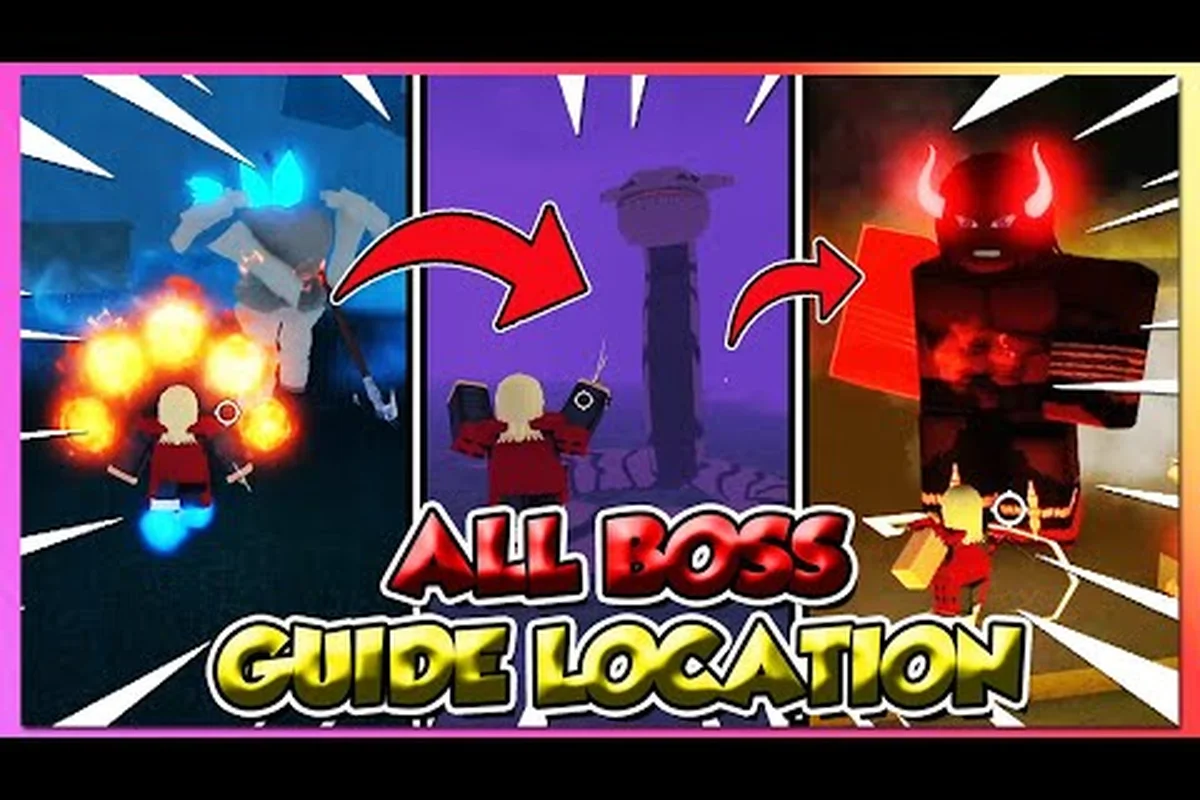
PvE bosses in Bloodlines fall into three broad categories, each with a different optimal approach: World Bosses emphasize sustained DPS and survivability checks during long timer-spawned encounters, Dungeon Bosses demand clean rotation knowledge to handle phased mechanics and add control within instanced environments, and Story Bosses function as low-stakes training rooms that gradually layer the movement, iframe, and aggro patterns reused in the harder PVE endgame. Choosing the wrong approach (e.g., bringing a glass-cannon build to a World Boss or skipping a Story Boss expecting to learn mechanics later) is one of the fastest ways to brick an ascension attempt, since the weapon-tier checks in the ascension tree assume you have already internalized all three categories.
World Bosses are open-world encounters that spawn on timers. They hit hard, have huge HP pools, and are usually tackled in groups. Solo players can attempt them, but the clear time is much longer and the failure rate is high. These bosses are the primary source of ascension materials, so you cannot skip them entirely.
Dungeon Bosses sit at the end of instanced dungeons and operate on a tighter enrage timer than World Bosses, typically 8–12 minutes depending on party size, which is why their mechanics layer add control, phase transitions, and arena-wide environmental hazards (collapsing platforms, DoT zones) on top of raw DPS checks. A typical run rewards two to three weapon-tier drops per clear, so the time investment is justified, but you should run them with a pre-built party comp of at least one tank-class bloodline, one healer, and two DPS to handle the add-split phase that wipes uncoordinated groups. Failing the add phase usually forces a full reset, since most dungeon bosses do not checkpoint between phases, making route knowledge and iframe timing more valuable than raw gear score for your first clears.
Story Bosses are scripted encounters tied to the main questline. They are tuned to be soloable with a mid-tier loadout, and they exist primarily to teach the boss patterns you'll face in the harder content. Never skip story bosses, because the mechanics they introduce show up again in later dungeons with higher damage scaling.
Stamina and Chakra Management
The single most important PvE skill in Bloodlines is stamina management. Every M1 attack, every dash, and every block consumes stamina, and running out at the wrong moment is how most wipes happen. The general rule is to never let stamina drop below 25% during a boss fight, because you always need a reserve for an emergency dodge or block.
Chakra works the same way for jutsu. Burning your entire chakra bar on a burst window leaves you defenseless for the next 10-15 seconds while it regenerates. The disciplined approach is to spend 60-70% of your chakra on a burst, then fall back to M1 attacks while it refills. The Bloodlines Roblox Weapon guide covers how weapon artifacts interact with this chakra cycle, especially the Chaining on Hit affix that restores chakra on consecutive strikes.
Ascension: Pushing Through the Rank Walls
The bloodlines roblox ascension guide starts with a simple truth: ascension is the only way to unlock new zones, and the materials required are locked behind boss clears. You cannot grind your way to the next rank by leveling alone; you have to engage with the content. This section covers the ascension loop, the rank structure, and the timing that experienced players use to push through walls efficiently.
The Rank Structure
Bloodlines uses a village-rank system inspired by the Naruto series, with each rank unlocking new zones, new jutsu, and harder boss variants. The standard rank ladder, as reported by community data and the verified developer group on Roblox, looks like this:
| Rank | Typical Level Range | Zone Access | Ascension Material Source |
|---|---|---|---|
| Academy Student | 1-15 | Spawn village, starter zones | Tutorial boss |
| Genin | 15-30 | First major zone, world bosses | World boss drops |
| Chunin | 30-50 | Mid-game dungeons, harder world bosses | Dungeon boss clears |
| Jonin | 50-75 | Late-game zones, elite dungeons | Elite boss + dungeon combo |
| Higher Ranks | 75+ | Endgame raids, hardmode content | Weekly reset bosses |
The exact level thresholds shift with patches, but the structure stays the same: each rank requires a specific set of boss clears plus an exam-style challenge. The rank-up exam is a solo or small-group encounter with modified boss stats, and failing it sends you back to farming the same materials you already have.
The Ascension Timing Question
A common question in the bloodlines roblox how to ascend discussion is: when should you attempt the rank-up exam? The honest answer is that most players attempt it too early. The exam is tuned for players at the top of the current level range, not the bottom, and attempting it at level 15 when the threshold is 20-30 just means a long fight with a guaranteed loss.
Veteran Bloodlines players gate the ascension exam behind three signals they actually trust, not just raw level: clearing the world boss on farm mode for a consistent material stockpile, hitting a gear score within ~10% of the rank's listed threshold (so the 20-minute exam doesn't turn into a material sink), and waiting until at least one full clan cycle of the current rank has passed. The logic is simple — each failed exam burns a Clan Sigil + 3 boss materials, which is roughly 25-40 minutes of regrind, so rushing the rank-up essentially taxes your own progression. The Bloodlines Roblox PVE guide breaks down the per-rank farming windows in more detail for players timing their first ascent.
-
Hit at least the midpoint of the rank's level range before farming ascension materials
-
Run the relevant world boss at least 5-10 times to build a stock of materials
-
Attempt the exam only when your gear score is within 10% of the recommended threshold
-
If you fail twice, stop and regrind rather than burning materials on repeated attempts
This last point is critical. Each exam attempt consumes materials, and farming those materials back is the same grind you just finished. Burning three attempts in a row at an under-geared state is the most common ascension mistake, because it sets you back by hours of farming that could have been avoided with a 30-minute gear pass first. The Bloodlines Roblox rank up guide covers this loop in more detail for players weighing the village-versus-rogue progression path.
Post-Ascension: The PvE Reset
After you clear the exam, your level is normalized to the bottom of the new rank's range, your gear is partially scaled down, and you start the new zone's content from scratch. This feels punishing the first time, but it's actually the game's way of pacing the grind so it doesn't collapse into a single all-night session. Plan for it: bank some resources before the exam, and have a short-term gear goal ready for the new zone.
Frequently Asked Questions
What is the best weapon for Bloodlines PvE?
The Katana class is the best all-around weapon for PvE because its medium swing speed and balanced damage profile work against every boss pattern. Daggers are faster but require tight stamina management, and slow weapons like Greatswords leave you exposed during long windups. Pick the Katana for your first clear and branch into other weapons once you understand the boss patterns.
How do I ascend in Bloodlines Roblox?
Ascension requires three steps: reach the level threshold for your current rank, farm the ascension materials from the relevant world or dungeon boss, and then clear the rank-up exam at the designated NPC. Most players fail because they attempt the exam under-geared; hit at least the midpoint of the rank's level range and run the boss 5-10 times before attempting.
Is Bloodlines better for PvE or PvP?
The game is balanced for both, but the PvE side is more structured and easier to learn. PvP rewards players who have already mastered PvE mechanics, because the same stamina and chakra management skills apply, and the boss patterns train the reflexes you need against other players. New players should focus on PvE first, then transition to PvP once their loadout and game sense are solid.
How long does it take to reach the max rank in Bloodlines?
According to community data, reaching the highest published rank takes roughly 40-60 hours of focused play for an average player. Speedrunners can do it in 20-25 hours by chaining XP events and farming only the required bosses, but that approach burns through content quickly and leaves you under-geared for the harder encounters.
What should I do if I keep dying to the same boss?
Stop attempting the boss and run the lower-tier version of the encounter 5-10 times to practice the pattern. Most wipes are caused by misreading a single telegraph, and muscle memory from repeated clears is the fastest fix. If you still die after that, check your elemental resistance: the boss is probably doing more damage than you expected because your armor is weak to its element.